

The Isolated Heritage of the Albanian Dictatorship (1945–1991)
Albania is a popular travel destination today, yet hardly anyone knows the disturbing and fascinating reality behind its decades-long closed borders. Anyone traveling through the country stumbles upon concrete bunkers, abandoned underground tunnels, and rusted relics of a past military machinery at every turn.
How could it ever come to this?
What drove Albania after the Second World War to completely turn away from the West and sever all ties to the civil, democratic world?
Why did the country take a radical course that led it deep into the Soviet and later into the Chinese sphere of influence—only to ultimately isolate itself from absolutely everyone?
Who were the main political actors and what extreme ideology lay behind the obsession to turn the entire territory into an impregnable fortress?
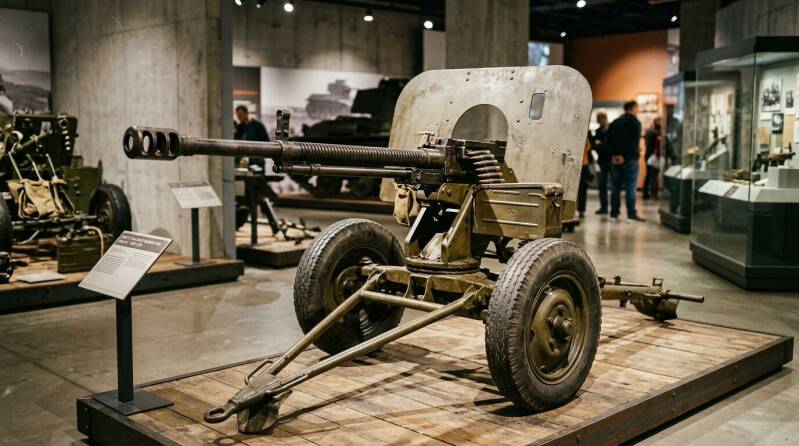
How did a impoverished agrarian country react to the alleged threat from the rest of the world by hiding thousands of tons of steel, artillery, and MiG fighter jets in mountain bases like Gjadër?
The physical traces of this total paranoia remain unmistakable to this day. Anyone who wants to understand why this country is so shaped and what lies behind the abandoned gates and bunkers must dive into the history.
Learn more in the interactive archive about the concrete weapons systems, military equipment, and their historical use during this era.
Open Interactive Archive & History